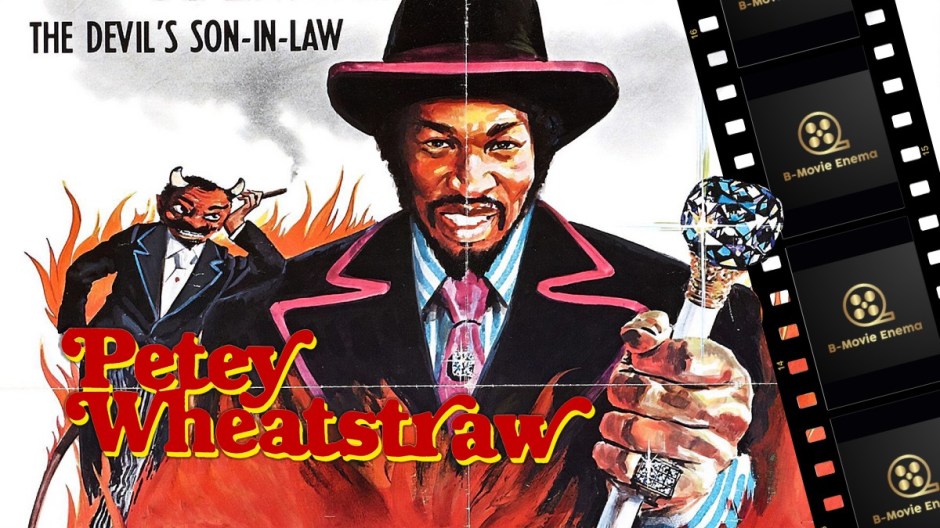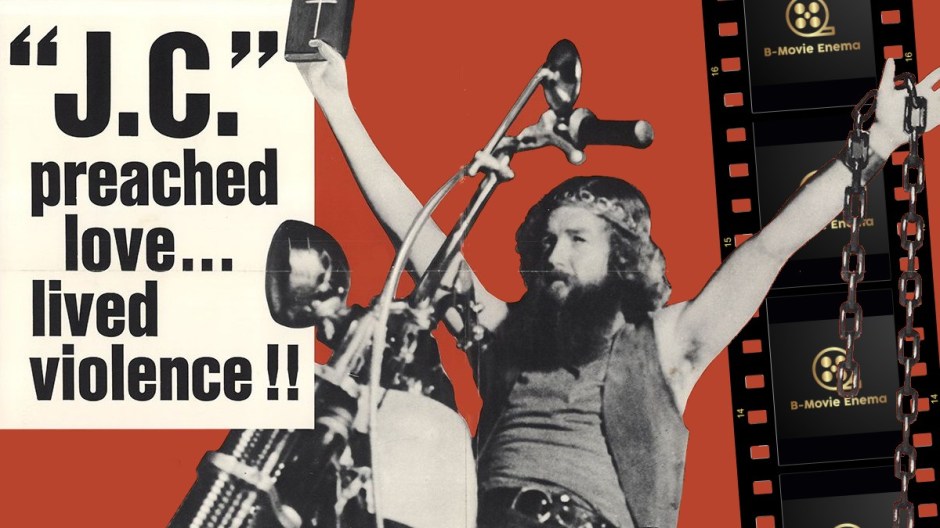
Petey Wheatstraw (1977)

Black Horror Halloween comes to a close on the greatest day of them all, Halloween!

Welcome to B-Movie Enema, and, brother, do we have a good one to close things out. If you think about it, Ganja & Hess was this artsy kickoff for the month. Then we got into some voodoo business in a movie that is maybe more about the dialogue than anything else. Right in the middle is the movie I will never forget because it had a giant killer dick. Then, last week, I opted for a movie with a strong cast and some good ol’ fashioned spirit possession.

So, how can we possibly finish this month off after all those bangers? With the movie that I promise you is my favorite of the whole month. I think about the artistry that started the month. Now, it’s time for more art. Give it up for the comedy stylings of my main man, Rudy Ray Moore, and the 1977 comedy Petey Wheatstraw!

Continue reading “Petey Wheatstraw (1977)”

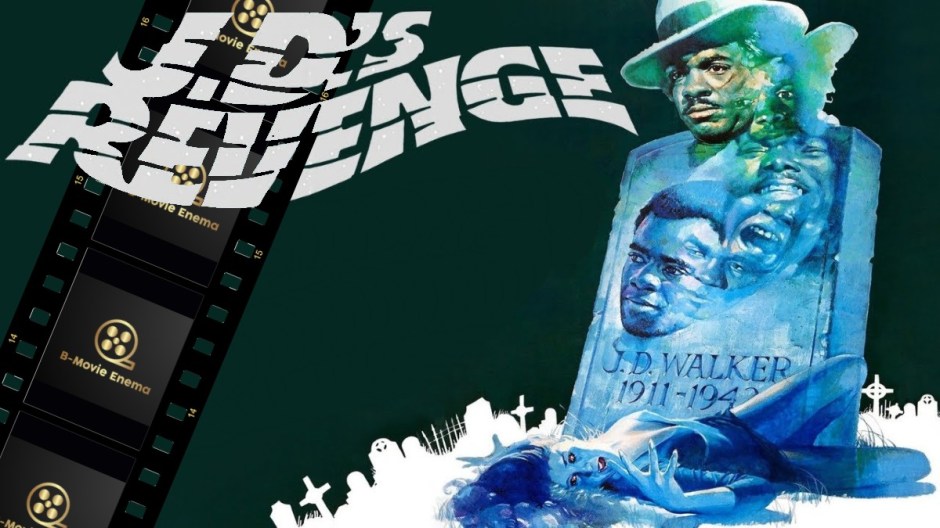
J.D.’s Revenge (1976)

Welcome back to another spooktacular review at B-Movie Enema!

This week, we continue our trek through 70s horror from the Black community that I’m calling Black Horror Halloween. I’m also going through these movies in chronological order. So that brings me to 1976 and a movie that has been on the pile to cover for a long time, J.D.’s Revenge, directed by Arthur Marks. I’ve had a copy of the movie from Arrow for years. So, if I’m being as honest as possible, it’s possible to say that J.D.’s Revenge was the origin of this entire theme month.

Some might even go so far as to say that I chose this theme because of last week’s movie and the giant hypnotic, killer dong was the, uh, thrust to my choosing this theme, but I digress.

Continue reading “J.D.’s Revenge (1976)”

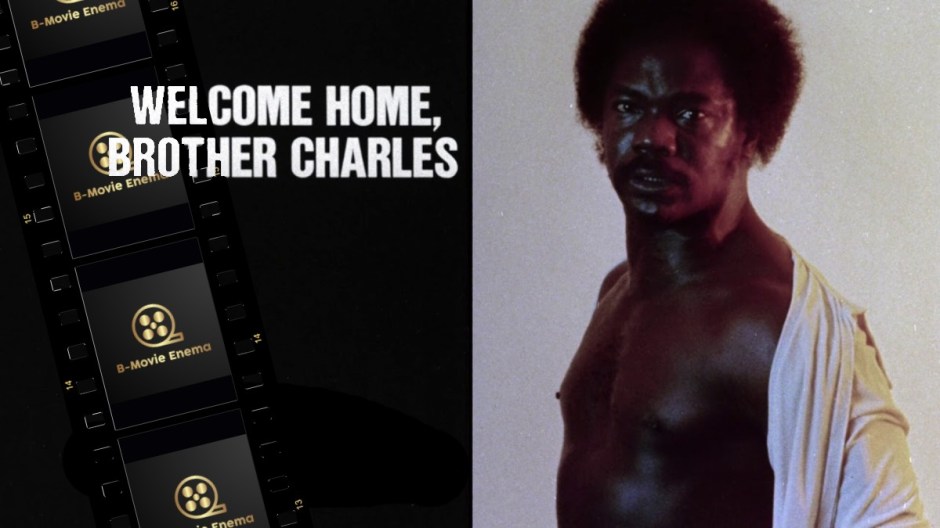
Welcome Home Brother Charles (1975)

Welcome back to B-Movie Enema and spooky month 2025’s theme, Black Horror Halloween!

This week, I’m not entirely sure how much I want to talk about this movie before diving right in. To get this out of the way, I’ll be reviewing 1975’s Welcome Home Brother Charles. Generally speaking, this month was intended to kind of highlight blaxploitation and horror. This movie is probably technically neither. I will talk a little more about what I think the actual horror of this movie is directed at, but why it’s hard to frame this as a blaxploitation movie is due to the writer/producer/director, Jamaa Fanaka.

Fanaka is back for his third time on this blog. Previously, I covered Penitentiary and its sequel, Penitentiary II. Brother Charles would be his first commercial film. In 1972, before making this movie, he made a short called A Day in the Life of Willie Faust, or Death on the Installment Plan. That was his student film made at UCLA, which was received fairly well. It was about a heroin addict. When I covered those two Penitentiary films, I made mention that Fanaka was keen to not have his films be called blaxploitation by audiences or critics. He felt the term was a little reductive or dismissive of his attempts to portray life for black men.

Continue reading “Welcome Home Brother Charles (1975)”

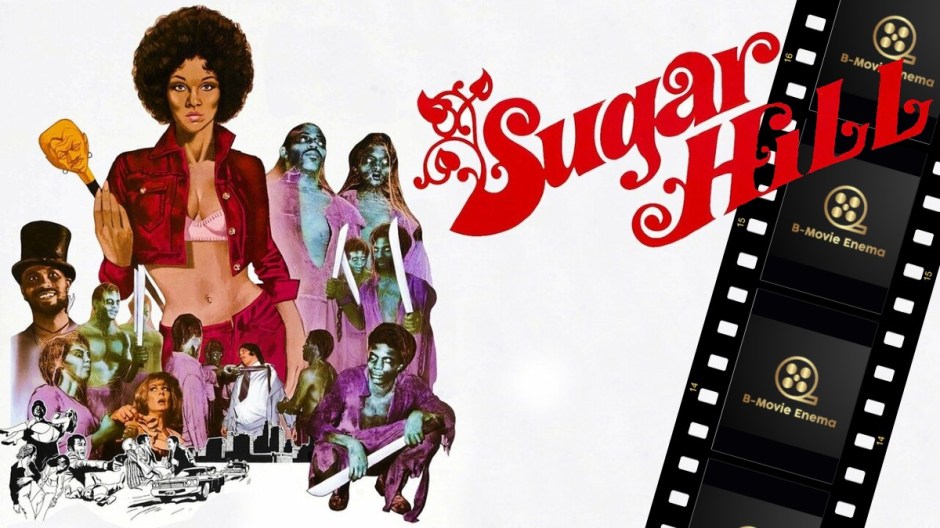
Sugar Hill (1974)

Let’s raise the dead on this week’s new review at B-Movie Enema!

It’s the second week of my little theme month exploring some gems of 70s blaxploitation horror films. This week, I’m digging into 1974’s Sugar Hill from director Paul Maslansky. First and foremost, don’t confuse this with the 1994 movie of the same name starring Wesley Snipes. While both of these movies have a crime element, the earlier film takes place in Houston, while the Snipes vehicle takes place in the Harlem neighborhood of Sugar Hill.

Also, Maslansky’s Sugar Hill deals with voodoo.

Continue reading “Sugar Hill (1974)”

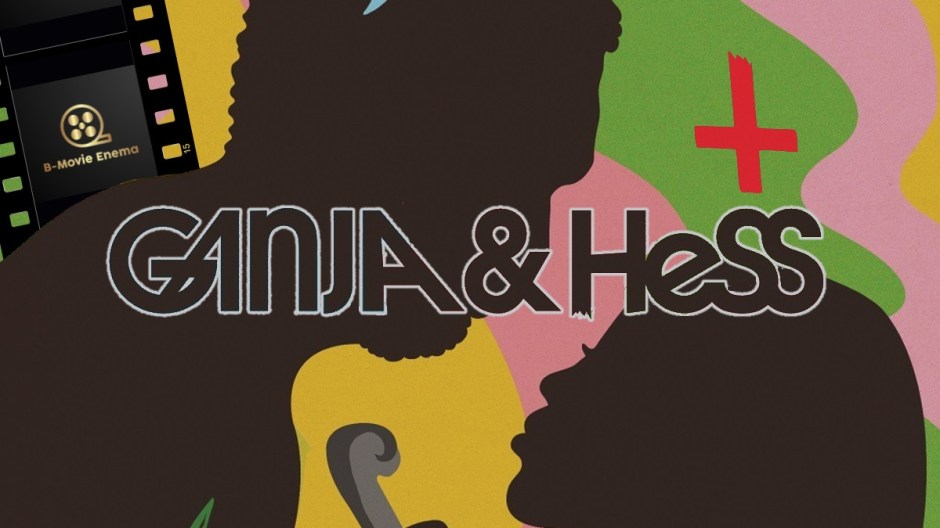
Ganja & Hess (1973)

Welcome to spooky month here at B-Movie Enema!

This year, I decided to do something a little bit different. Throughout the history of B-Movie Enema, and you should be aware of this if you’ve been around here for a bit, I hope I’ve been able to properly state that I love October and I love blaxploitation. For this year’s theme, I thought to myself, “Why not mix the two?” So, yeah… Welcome to Black Horror Halloween!

Now I might have used the term “blaxploitation” in the previous paragraph. I have five movies selected, and I would say that I think three of the movies selected can fall into that subgenre of blaxploitation. The other two can leave a lot of room for debate, that they should not be simply called (or for some, dismissed) as “blaxploitation.” I think director Bill Gunn would say our opener should simply be called a black film. Join me for the vampire horror of Ganja & Hess.

Continue reading “Ganja & Hess (1973)”

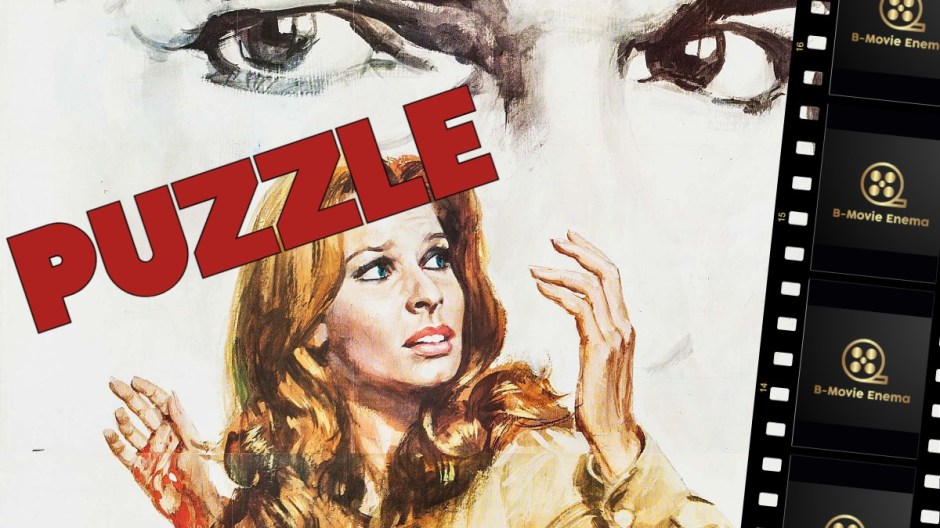
Puzzle (1974)

Welcome back to another review here at B-Movie Enema. It’s great to have you here. For real. I mean it. I am glad you’re here.

Anyway, let’s talk about murder!

Italian giallo is what’s on tap for this week’s movie. What exactly the first giallo is is somewhat debatable. Though I think most critics would name 1963’s The Girl Who Knew Too Much by Mario Bava as the first. That film starred John Saxon. Bava followed that up with 1964’s Blood and Black Lace starring none other than Cameron motherfuckin’ Mitchell! Throughout the 60s, gialli remained a little under the radar until the 70s when the genre would kick into hyperdrive. A few weeks back, I talked about Umberto Lenzi a little bit as he co-wrote Primal Rage. This week, we have another key Italian filmmaker to talk about.

1974’s Puzzle, the movie we’ll be figuring out this week, is directed by Duccio Tessari. Tessari’s career began as a writer. Starting around 1958, Tessari worked quite a bit as a writer for several years. He wrote some Hercules films, other peplum, and, of course, spaghetti westerns. In fact, it was one of his 1964 scripts that would kick off the massive popularity of those Italian western films. Yeah, Tessari wrote A Fistful of Dollars.

Continue reading “Puzzle (1974)”

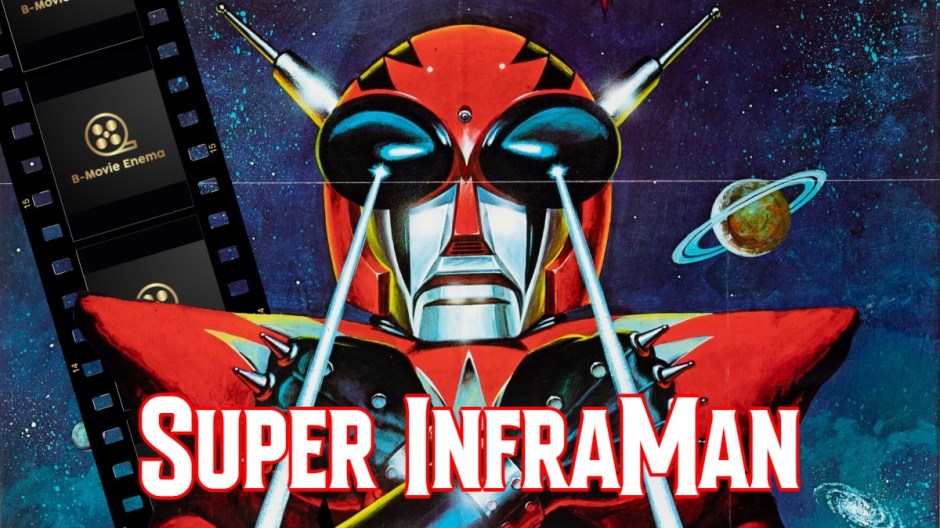
The Super Inframan (1975)

KAPOW! EXPLOSIONS! PUNCHING MONSTERS! IT’S A NEW B-MOVIE ENEMA!

Welcome back, dear readers. This week, we have a bit of a treat. We’re going to look at 1975’s The Super Infra-Man! This comes to us from Hong Kong and is also known as just Infra-Man or literally translated from Cantonese as Chinese Superman. Now, you might think that literal translation means this is a Shaw Brothers Production ripoff of America’s avatar of DC Comics (no, Batman, not you), Superman, right?

Wellll… It actually isn’t. This is much more influenced by the Japanese TV shows that use tokusatsu. Tokusatsu is the term given to Japanese productions that are live-action AND use a great deal of special effects. The term had been part of Japanese theater dating back to the early 20th century. However, it went big time in the 50s. That’s when the mega superstar, world-famous Godzilla stomped into Tokyo and theaters all over the world. Eiji Tsuburaya was more or less the godfather of tokusatsu techniques. He designed many of Toho’s early monsters, including Godzilla. He then launched the television series Ultra Q, which borrowed costumes from Toho. That would later lead to the various Ultraman series. Ultraman then gave birth to another tokusatsu classic, Kamen Rider.

The Super Inframan is more inspired by those tokusatsu series than the fella in the blue tights and red boots.

Continue reading “The Super Inframan (1975)”

Candy Stripe Nurses (1974)

They’ll give us fast-fast-fast relief!

That’s what the poster says for this week’s movie, and I bet they mean it too! Welcome to another review here at B-Movie Enema. Also, welcome to another review of a movie from Roger Corman’s New World Pictures! 1974’s Candy Stripe Nurses was part of the company’s “nurses cycle”. However, there’s a very specific reason why we’re starting with this one, which happens to be the final entry of the five-film, loose series.

I may have used Valentine’s Day last week to do My Bloody Valentine because it’s a movie that has the day right in its goddamn title (and, frankly, the movie was overdue to get coverage here), but I won’t deny that this movie was nearly chosen instead. Thankfully, last week did feature the triumphant return of Cynthia Dale, so there’s that. But the main reason why this almost won out over that movie for the Valentine’s Day review?

Two words: Candice Rialson.

Continue reading “Candy Stripe Nurses (1974)”