After this week, we’re 66.7% of the way through this October’s spoopy theme, Rob Zombie’s Spookshow, here at B-Movie Enema!
I ain’t gonna lie… We kind of peaked last week with Rob Zombie’s best film of them all, The Devil’s Rejects. I mean, not only is it a well-crafted, very viscerally terrifying film, but it kind of was the pinnacle of Zombie doing his 70s retro grindhouse thing. Where are you gonna go from there? Well, today, in the year of our Dark Lord 2026, we know where he went. We’ll talk about that starting next weekend. But he kept rolling with this retro grindhouse, throwback to 1970s exploitation horror, probably well past its prime.
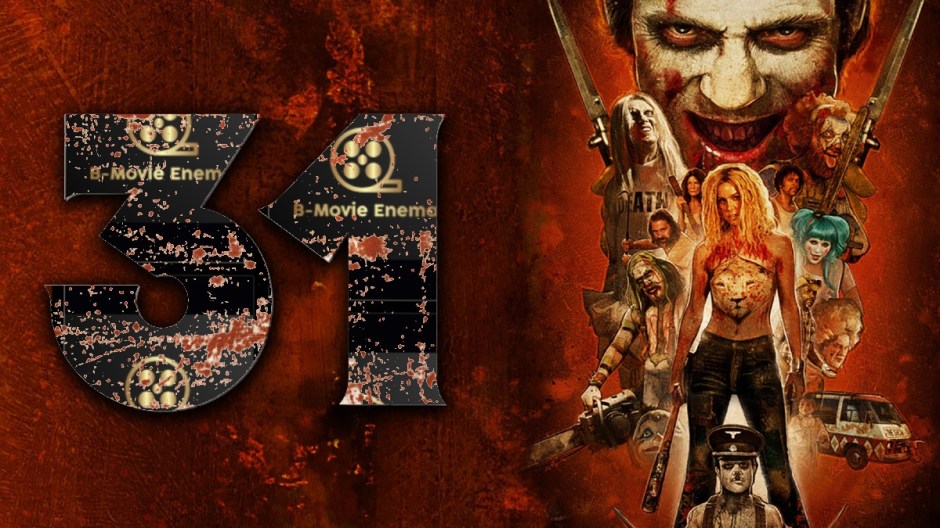
Certainly, by 2016, it seemed reviewers were kind of done with it. This week, we’re looking at one of his films that I have not actually watched, 31. In fact, to date, this is the only Rob Zombie movie I haven’t seen. I largely didn’t see 31 because I heard not-so-great things about it. Despite getting some pretty cruddy reviews, it still holds around 47% on Rotten Tomatoes. That’s actually not as bad as you might think based on the talk around it.
Continue reading “31 (2016)”